AI chip demand could push up Apple device prices
AI-driven chip demand may tighten supply and raise prices for iPhones, Macs, and other devices, with budget impacts that matter in Morocco too.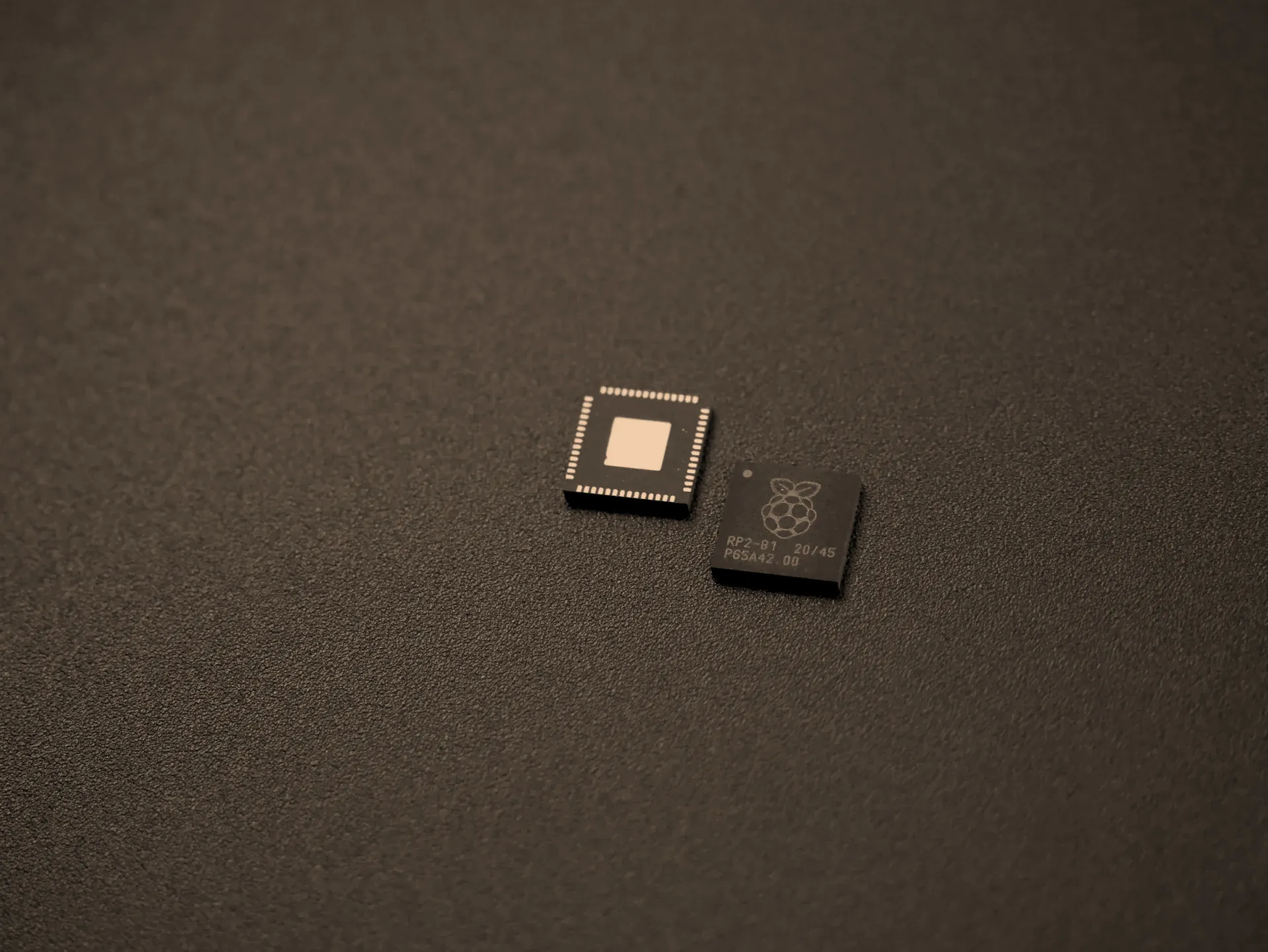
#
Key takeaways
- AI demand can tighten memory and storage chip supply.
- Higher chip costs may affect iPhones, Macs, iPads, and other devices.
- Moroccan buyers and procurement teams may feel the impact through higher device budgets.
- Planning, timing, and vendor flexibility matter more when supply is tight.
- Privacy, cybersecurity, and support should stay part of any buying decision.
What the report says
TechCrunch reports that Tim Cook warned Apple customers that price increases may be unavoidable. The reason is simple. AI-driven demand has tightened memory and storage chip supply.
The article says rising chip costs could affect Macs, iPhones, iPads, and other Apple devices. It also says the next iPhone cycle looks especially exposed. For readers in Morocco, the main lesson is not about one brand alone. It is about how global AI hardware demand can move through supply chains and reach local buyers.
Why this matters for Morocco
Moroccan consumers often buy devices through long retail chains and import channels. That means global component shortages can show up as higher prices, slower availability, or fewer configuration choices. Even when the cause is far from Morocco, the effect can still land in local budgets.
This matters for households, schools, startups, and public teams. A small increase in device cost can change a purchase plan. It can also delay upgrades that were already under pressure from aging hardware.
For Moroccan readers, the key point is caution. AI growth may not only change software. It can also reshape the cost of the hardware needed to use that software.
Practical use cases in Morocco
Consumer buying decisions
If you are planning to buy a phone or laptop, timing may matter more than usual. When chip supply is tight, waiting for a later purchase window could help, but that is only an assumption. Buyers should compare models, storage options, and warranty terms before deciding.
Business and procurement planning
For Moroccan companies, device procurement may need a wider budget range. Teams that refresh laptops, tablets, or phones in batches could face higher costs if chip prices rise. Procurement teams may want to lock specifications early and keep a backup option ready.
Education and public-sector planning
Schools and public institutions often need predictable device pricing. If AI demand keeps pressure on memory and storage chips, procurement cycles may need more flexibility. That could mean buying earlier, simplifying configurations, or planning for longer replacement cycles.
Support for mixed-language environments
Moroccan workplaces often operate in Arabic, French, and sometimes English. Device choice is not only about price. It also affects keyboard layouts, software compatibility, and support quality. If budgets tighten, teams should avoid cutting the features that help people actually use the devices well.
Risks and governance
The report is about pricing pressure, but the broader issue is governance. AI hardware demand can create supply shocks that are hard to predict. That can affect procurement, inventory planning, and service continuity.
There are also cybersecurity and privacy angles. When organizations rush purchases, they may skip checks on device management, encryption, and update support. That would be a mistake for Moroccan buyers, especially in sectors that handle sensitive data.
Compliance also matters. Any organization buying devices for staff or customers should review internal policies before changing models or vendors. If procurement is driven only by price, the result may be weaker support, poor lifecycle management, or hidden costs later.
What Moroccan buyers should do next
Start with a realistic inventory review. Know which devices are essential, which can wait, and which can be replaced with lower-cost options. This helps separate urgent needs from nice-to-have upgrades.
Then build a procurement plan with a margin for price movement. That is especially useful if your organization buys in batches. A small buffer can reduce the risk of being forced into a rushed purchase.
Also check the full cost of ownership. The cheapest device is not always the best choice if it has weak battery life, limited storage, or poor support. For Moroccan teams, those trade-offs can matter more than the sticker price.
Finally, keep an eye on data availability and infrastructure. More powerful devices are useful only if the network, software, and support environment can use them well. In Morocco, that means planning for real-world constraints, not just headline specs.
Bottom line
AI demand is not only a cloud or software story. It can also affect the chips inside everyday devices. If Apple faces higher costs, Moroccan buyers may feel some of that pressure too.
The practical response is careful planning. Watch budgets, compare options, and avoid rushed procurement. In a market shaped by global AI demand, flexibility is a useful strategy for Moroccan consumers and organizations alike.
Follow us on Google
Add Intelligence Artificielle Maroc as a preferred source to see more of our relevant stories in Google Search.
What would you like to build?
We build custom AI platforms, SaaS products, intelligent business applications, and automation systems.
This form is for project inquiries, not general questions about artificial intelligence.